

Air vs. Ground Transport in the Drip-and-Ship Stroke Model
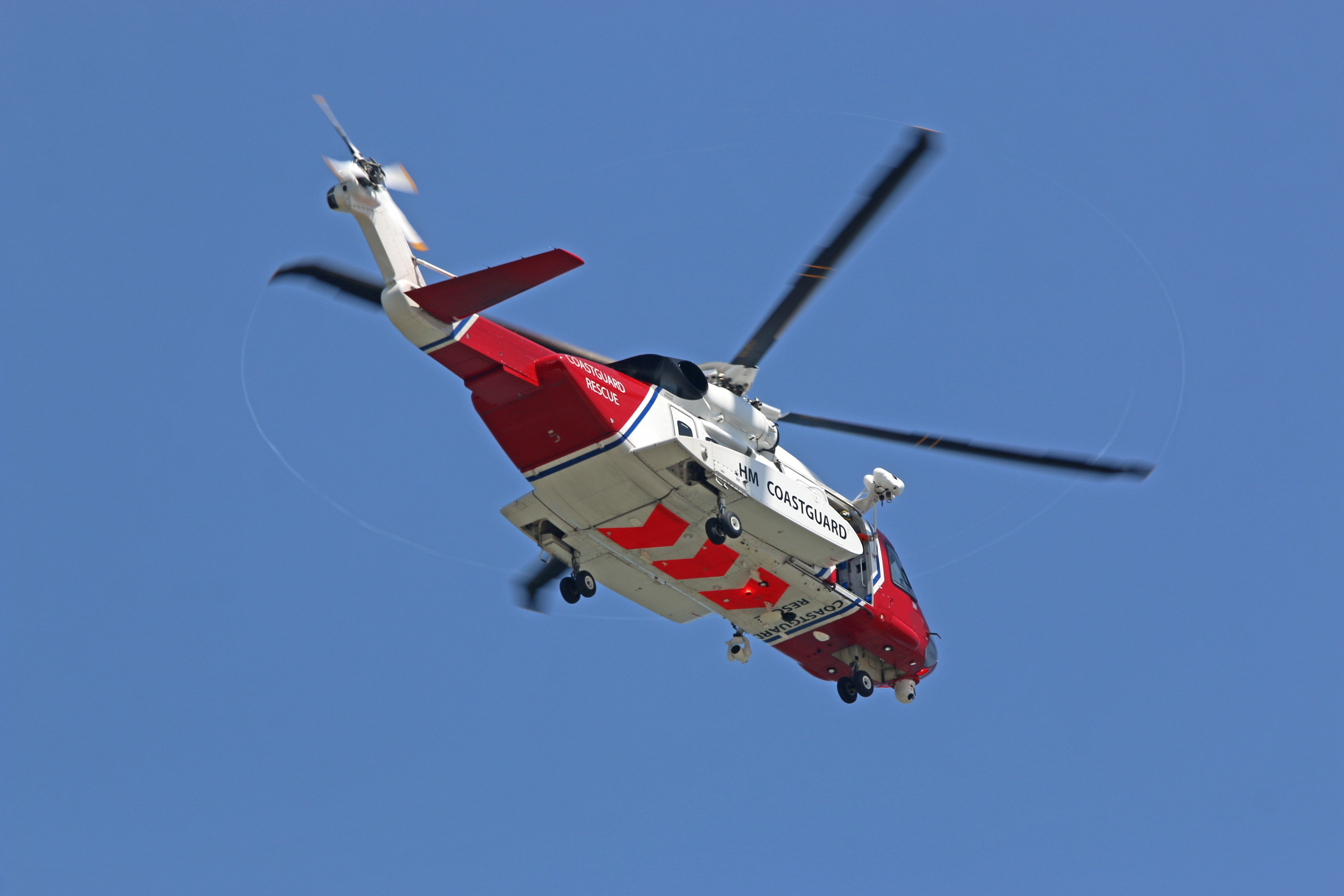
In this article, we would like to discuss the role of air transport in the drip-and-ship approach, particularly in regions where rapid interhospital transfer can be challenging because of the natural environment. In mountainous regions of Switzerland, for example, winding roads, long travel distances and geographical barriers can make timely transfer to a comprehensive stroke center difficult. For this reason, air transport is already incorporated into Swiss stroke recommendations and emergency medical systems.
The Swiss guidelines state that when the estimated journey by ground transport from the patient’s location to the target hospital exceeds approximately 45 – 60 minutes, air transport may be faster. The guidelines emphasize that the choice of transport depends on several factors, including weather conditions, traffic, landing possibilities and the availability of air transport. For patients transported by helicopter, direct transport to a stroke center is recommended rather than stopping at an intermediate stroke unit, as this could offset the time gained by flying [1].
A 2025 retrospective study examined 170 patients with large vessel occlusion (LVO) who were transferred from primary to comprehensive stroke centers located 55–85 km apart. The median transfer time was 75 minutes by air compared with 82 minutes by ground, with helicopter transport significantly faster than ground-based transport. Both approaches were considered safe, although minor complications were more frequent in the ground-transport group [2].
Importantly, this does not mean that helicopters should replace ambulances for every patient. The advantage of air transport depends on distance and, just as importantly, on the organization of the transport system. A helicopter that takes considerable time to mobilize may offer little benefit over an ambulance that is already ready to depart. Research on drip-and-ship pathways has similarly suggested that shorter transfers may be more efficiently performed by ambulance, while helicopters become increasingly advantageous as distances grows [3].
Overall, this highlights the challenge of developing flexible stroke pathways in which the mode of transport can be adapted to the patient, the distance, and the local geography. The MDR in AIS project addresses this challenge by investigating how AI-based tools can support the identification of efficient, patient-specific transport strategies and help optimize interhospital stroke transfer pathways.
References:
[1] Kägi G, Schurter D, Niederhäuser J, et al. Swiss guidelines for the prehospital phase in suspected acute stroke. Clin Transl Neurosci. 2021; 5(1):10. https://doi.org/10.1177/2514183X21999230
- Lagno E, Ernst J, Flemming A, et al. Is helicopter transferal in the “drip-and-ship” approach for endovascular treatment the better choice? A retrospective analysis of transfer times. Front Neurol. 2025; 16:1582098. https://doi.org/10.3389/fneur.2025.1582098
- Hädrich K, Krukowski P, Barlinn J, et al. Optimizing Time Management for Drip-and-Ship Stroke Patients Qualifying for Endovascular Therapy—A Single-Network Study. Healthcare (Basel). 2022; 10(8):1519. https://doi.org/10.3390/healthcare10081519
Author(s): Liva Araka, Rīga Stradiņš University
Keywords: Air Transport # Drip-and-Ship # Stroke Transfer Pathways # Large Vessel Occlusion (LVO) # AI-Based Transport Optimization