
Smart Tech vs Stroke: How Wearables and AI Are Changing the Game
Nearly one in four adults is at risk of experiencing a stroke during their lifetime, and for two-thirds of survivors, the consequences involve permanent disability. In this article, we explore a 2025 review published in the journal Stroke that examines how a precision medicine approach, using multimodal sensor data from smartphones, smartwatches, and smart home devices, is emerging as a powerful tool in stroke management.
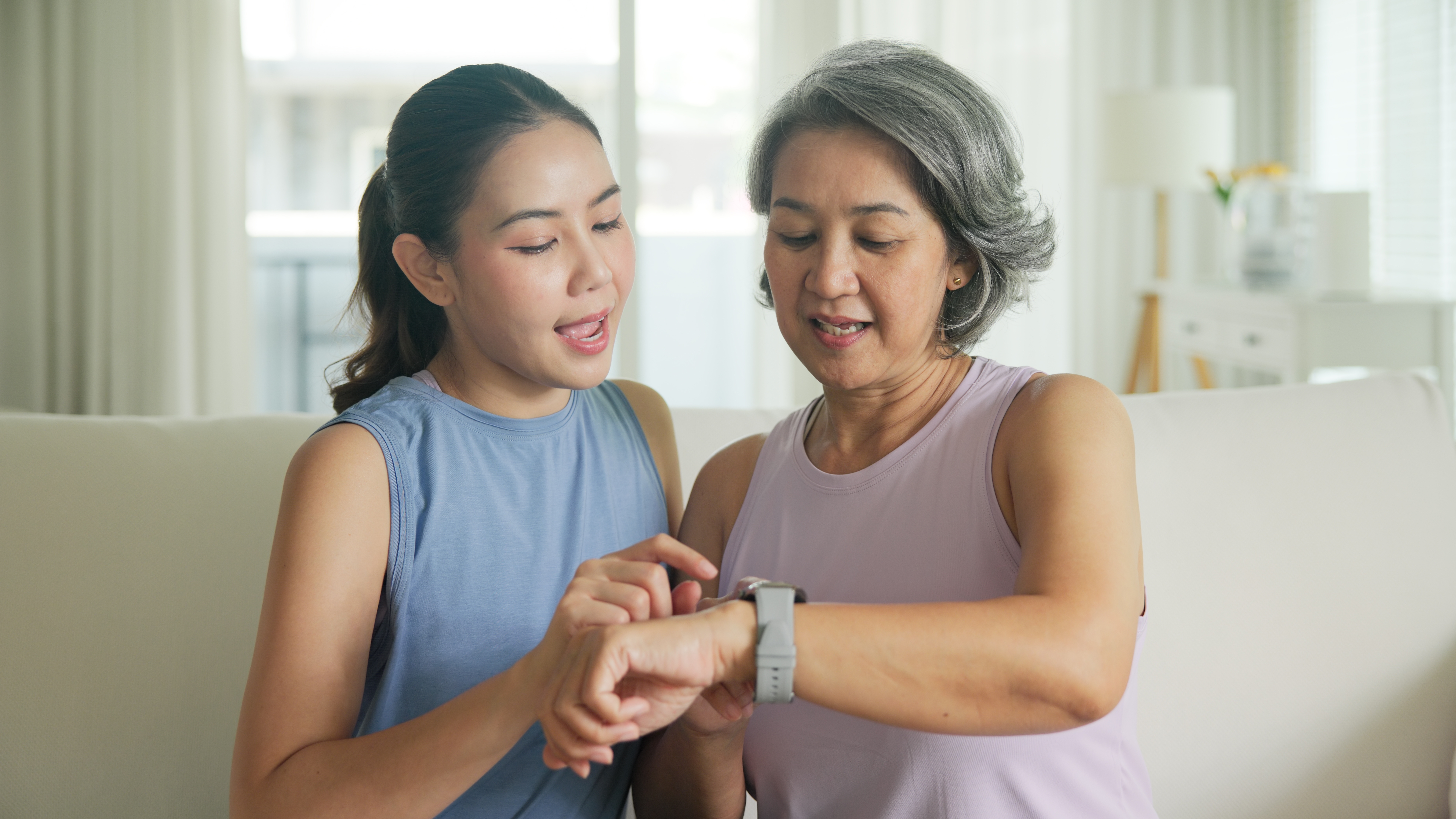
The greatest potential lies in prevention. Since up to 80% of strokes are preventable, continuous monitoring of daily habits is vital. Findings from the National Institutes of Health All of Us Research Program show that individuals averaging at least 8,200 steps per day have a significantly lower incidence of hypertension and diabetes. Similarly, data from over 93,000 individuals suggests that 150 minutes of weekly activity reduces stroke risk by 18%. Beyond exercise, cuffless blood pressure monitors are now identifying masked or nighttime hypertension often missed in clinics. Smartwatches are also proving highly effective. The Apple Heart Study reported an 84% accuracy rate in detecting subclinical atrial fibrillation. Innovations are even addressing social risks, such as loneliness, which is thought to increase stroke risk by 56%, through the use of AI social robots designed for companionship.
For early detection, speed is everything. The review highlights the FAST.AI app, which uses a smartphone camera to spot facial droop with 97% accuracy. Other integrated systems, like DeepStroke, combine video facial analysis with automated speech recognition to outperform traditional triage methods. AI tools can also “listen” for slurred speech via smart speakers or analyze dystextia (impaired texting patterns) on touchscreens to trigger immediate emergency alerts. For at-home safety, Internet of Things (IoT) sensors can now detect falls with 95.7% sensitivity, instantly notifying caregivers.
Finally, for those recovering from a stroke, technology is bringing the rehab clinic into the living room. Virtual coaching and wearable sensors track motor recovery, with studies showing these programs are as effective as in-person visits and sometimes superior in improving the quality of limb use. AI-enhanced wearables and hybrid smart-home systems now enable real-time tracking of both motor recovery and cognitive health, identifying impairments in attention and reaction time with over 90% accuracy.
While many of these tools are still in early development and require further clinical validation, they represent a major shift toward accessible, individualized stroke care. Considering that the overarching challenge addressed by MDRinAIS is ensuring timely access to mechanical thrombectomy for patients with acute ischemic stroke who must be transferred to secondary stroke centers, particularly those living in rural or less centrally located regions, these findings highlight the potential of everyday consumer devices. By becoming more medicalized and integrated into stroke care pathways, such technologies could enable earlier detection and intervention before a stroke occurs, while also improving outcomes during the critical time window for reducing long-term disability.
Author: Līva Araka, Riga Stradiņš University
Reference:
The review article used:
Pedroso, A. F., Schwamm, L. H., & Khera, R. (2025). Distributed Precision Stroke Care: Artificial Intelligence-Driven Stroke Management Using Multimodal Sensor Data. Stroke. https://doi.org/10.1161/strokeaha.125.050447
Keywords:
#Stroke #prevention #hypertension #AI‑based detection #mechanicalthrombectomy