

State of the art in Ischemic Stroke Management in Austria: Key Advances in Diagnosis, Acute Therapy, and Secondary Prevention
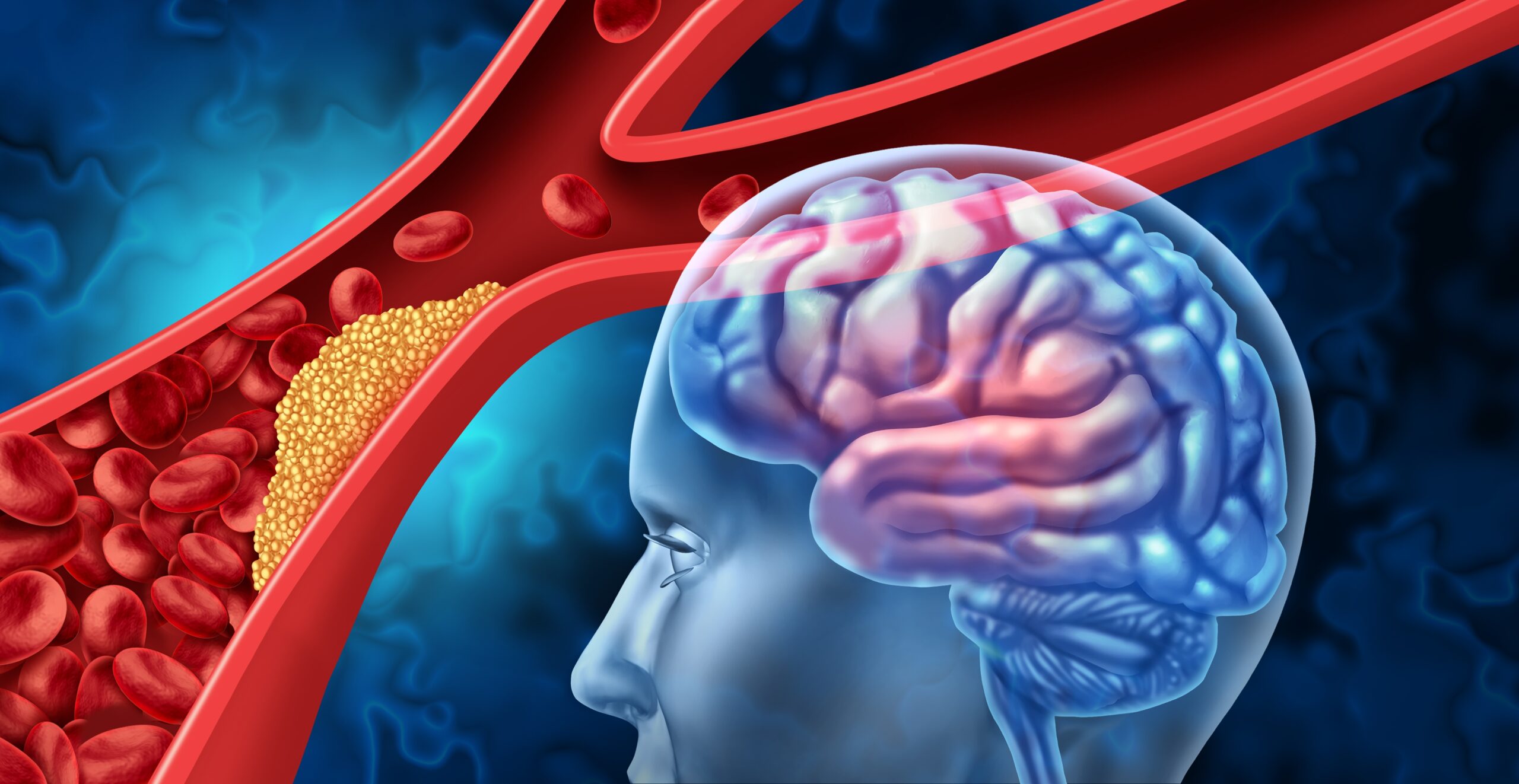
Ischemic stroke remains one of the most common neurological emergencies in Austria, affecting around 19,000 people each year. With an ageing population and rising life expectancy, the number of stroke cases is expected to increase further in the coming decades. At the same time, significant progress in diagnostics, acute treatment, and secondary prevention has markedly improved patient outcomes. The central message remains unchanged: time is the decisive factor – every minute counts.
Modern imaging techniques such as CT, MRI, and perfusion diagnostics now allow clinicians to assess salvageable brain tissue more precisely. This has expanded therapeutic windows and made treatment decisions more individualized and evidence‑based.
Advances in Acute Therapy
Intravenous Thrombolysis (IVT)
IV thrombolysis continues to be a cornerstone of acute stroke treatment. The standard therapeutic window remains 4.5 hours, but can be extended up to 9 hours in selected patients with a favourable perfusion mismatch.
A major development is the approval of Tenecteplase in December 2023. Compared to Alteplase, Tenecteplase offers several advantages: a longer half‑life, administration as a single bolus rather than infusion, faster workflow integration, and at least comparable — in some cases superior — recanalization rates. Studies consistently demonstrate non‑inferiority, with growing evidence of improved outcomes in patients with large‑vessel occlusions.
Endovascular Therapy (EVT)
Endovascular thrombectomy has been standard care for proximal anterior circulation occlusions for years. New evidence now broadens its indications:
- Basilar artery occlusion: Two major randomized trials (ATTENTION and BAOCHE) show clear benefit up to 24 hours after symptom onset.
- Large infarct cores (ASPECTS 0–5): Five of six recent trials demonstrate that EVT improves outcomes even in patients with extensive early ischemic changes.
The combination of IVT and EVT (“bridging therapy”) remains recommended, as no study has shown superiority of EVT alone.
Secondary Prevention and Long‑Term Care
Structured Post‑Stroke Care
Austria’s Stroke‑Card model has proven highly effective. A large national study demonstrated a 35% reduction in vascular events within the first year after stroke. The model includes multidisciplinary follow‑up, standardized assessments, and coordinated rehabilitation planning — and is now an established reimbursable service.
Dual Antiplatelet Therapy (DAPT)
New evidence from the INSPIRES trial supports the use of early DAPT (up to 72 hours after TIA or minor stroke), significantly reducing recurrence risk. Although bleeding risk increases slightly, intracranial hemorrhage does not. For selected high‑risk patients, Ticagrelor plus aspirin may be considered, supported by the THALES trial.
Oral Anticoagulation in Atrial Fibrillation
The ELAN study provides strong evidence that early initiation of anticoagulation — within 48 hours for small infarcts — is safe and may improve outcomes. Caution remains necessary for patients with large strokes.
Lipid Management
Updated guidelines recommend aggressive LDL‑C reduction:
- Target LDL‑C < 55 mg/dl (ESC guidelines)
- Evidence from the TST trial confirms that LDL‑C < 70 mg/dl significantly lowers recurrence risk.
New therapeutic options include PCSK9 inhibitors, Inclisiran, and Bempedoic acid — all now prescribable by neurologists working in stroke units
Conclusion
The article highlights how rapidly stroke care continues to evolve. New thrombolytic agents, expanded indications for endovascular therapy, structured follow‑up programs, and modern lipid‑lowering strategies are transforming patient outcomes. Despite these advances, one principle remains constant: the faster the diagnosis and treatment, the better the prognosis. “Time is Brain” continues to define every step of stroke management.
Author: SYNYO GmbH
References: SCHLAG-ANFALL – Update, Österreichische Ärztezeitung (2024) , https://aerztezeitung.at/wp-content/uploads/2024/12/State_Schlaganfall_Marko_OEAEZ-23-24_15.12.2024.pdf, (Accessed on 20.05.2026)
Key words: StrokeManagement #Thrombolysis #Thrombectomy #SecondaryPrevention #TimeIsBrain